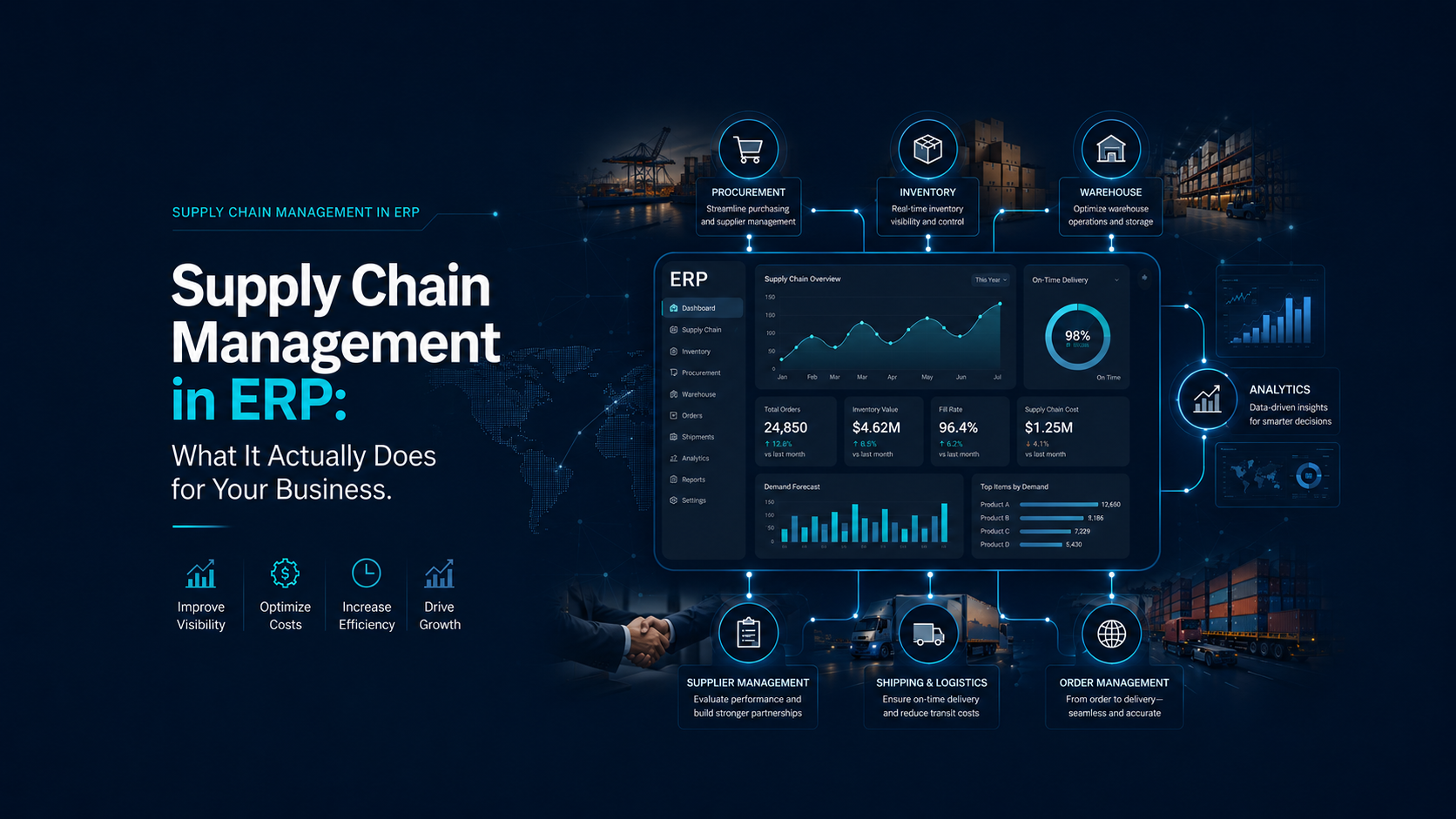
Supply Chain Management in ERP: What It Actually Does for Your Business
Most companies don't have a supply chain problem. They have a data movement problem. Demand forecasts live in one tool. Inventory sits in another. Procurement runs on a third.
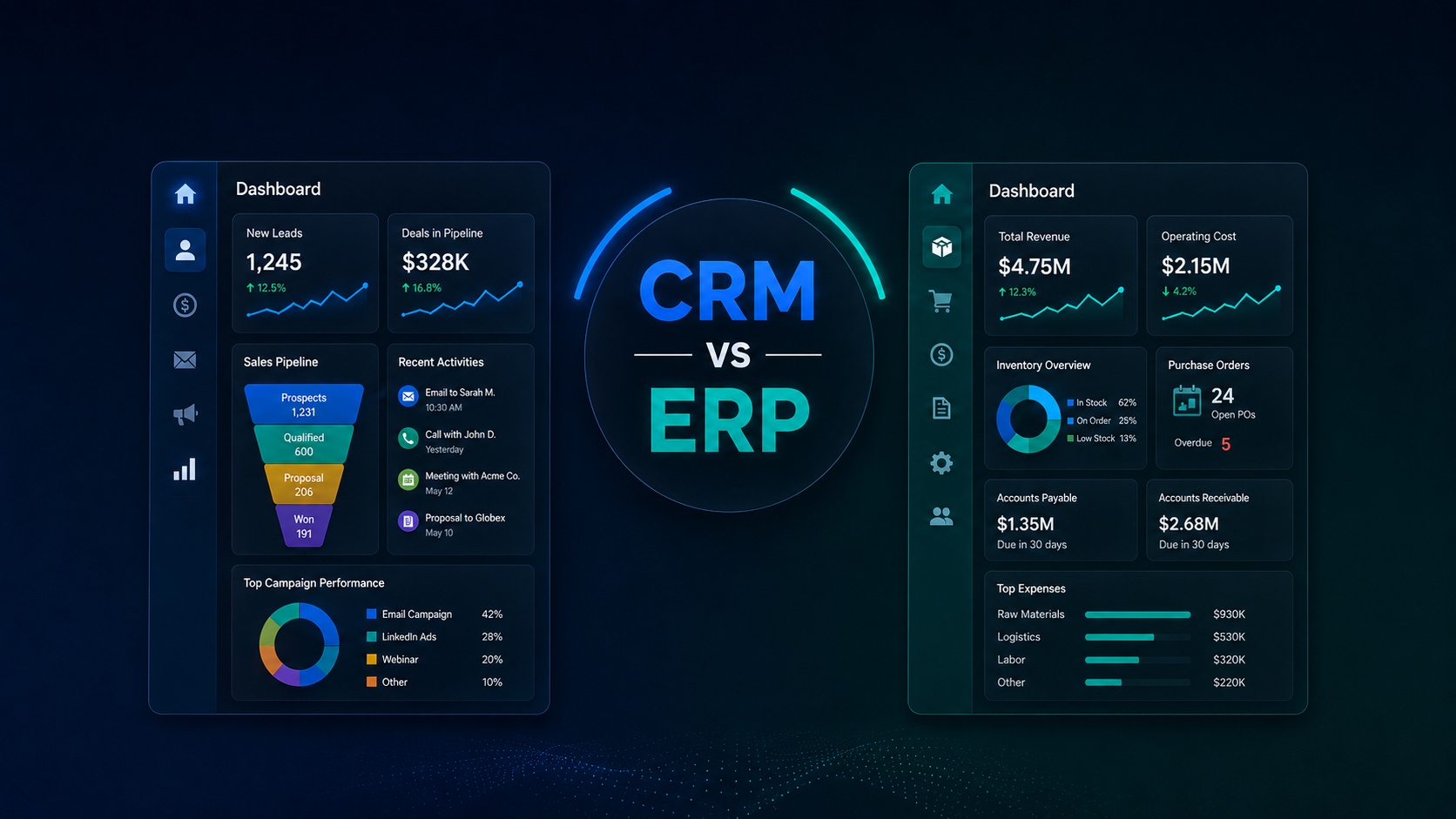
If you run a business, you've probably heard both terms thrown around — sometimes as if they're interchangeable. They're not. CRM and ERP are two different tools that solve two different problems.
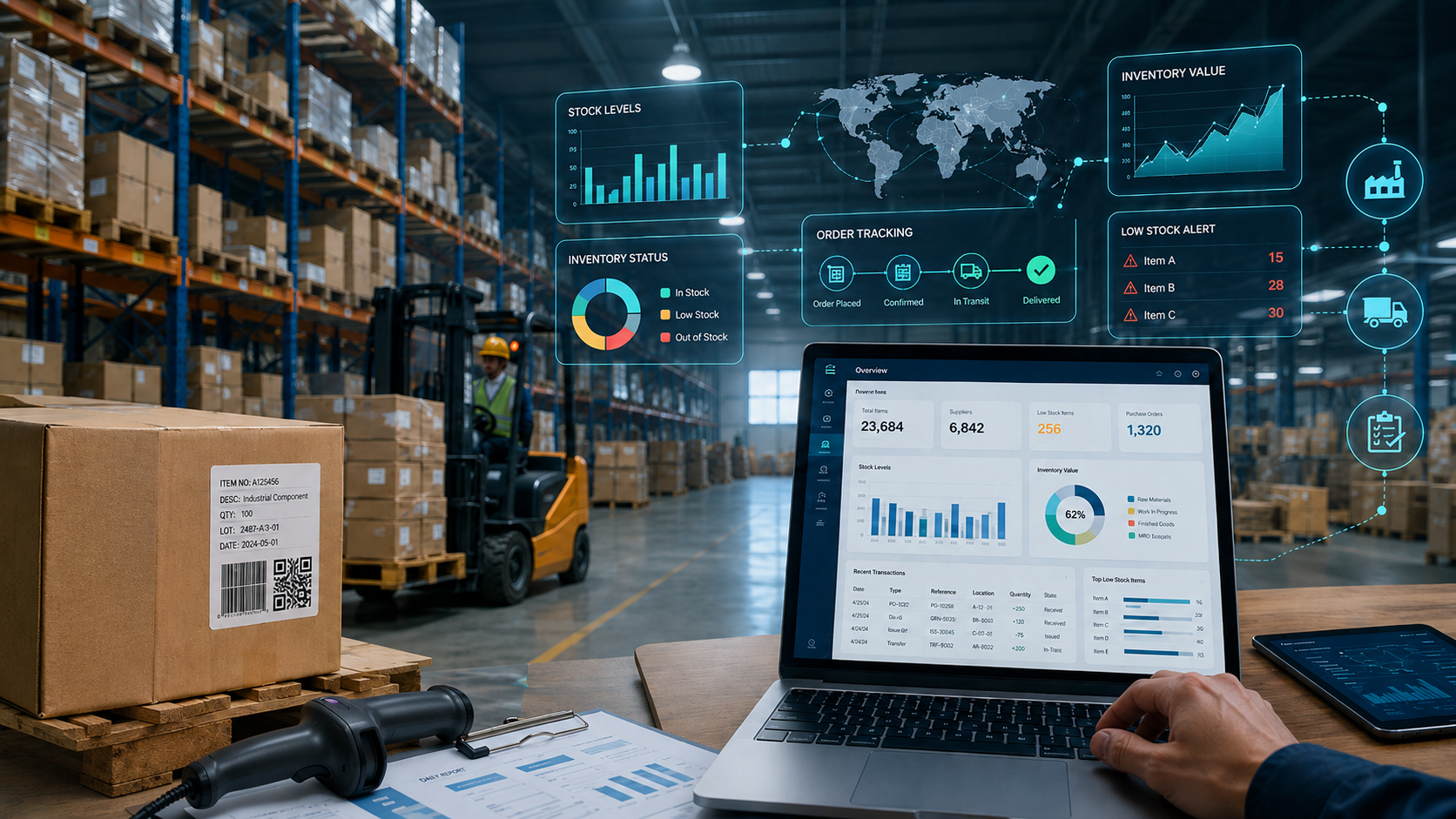
ERP inventory management is the process of tracking, controlling, and updating inventory through an Enterprise Resource Planning system.
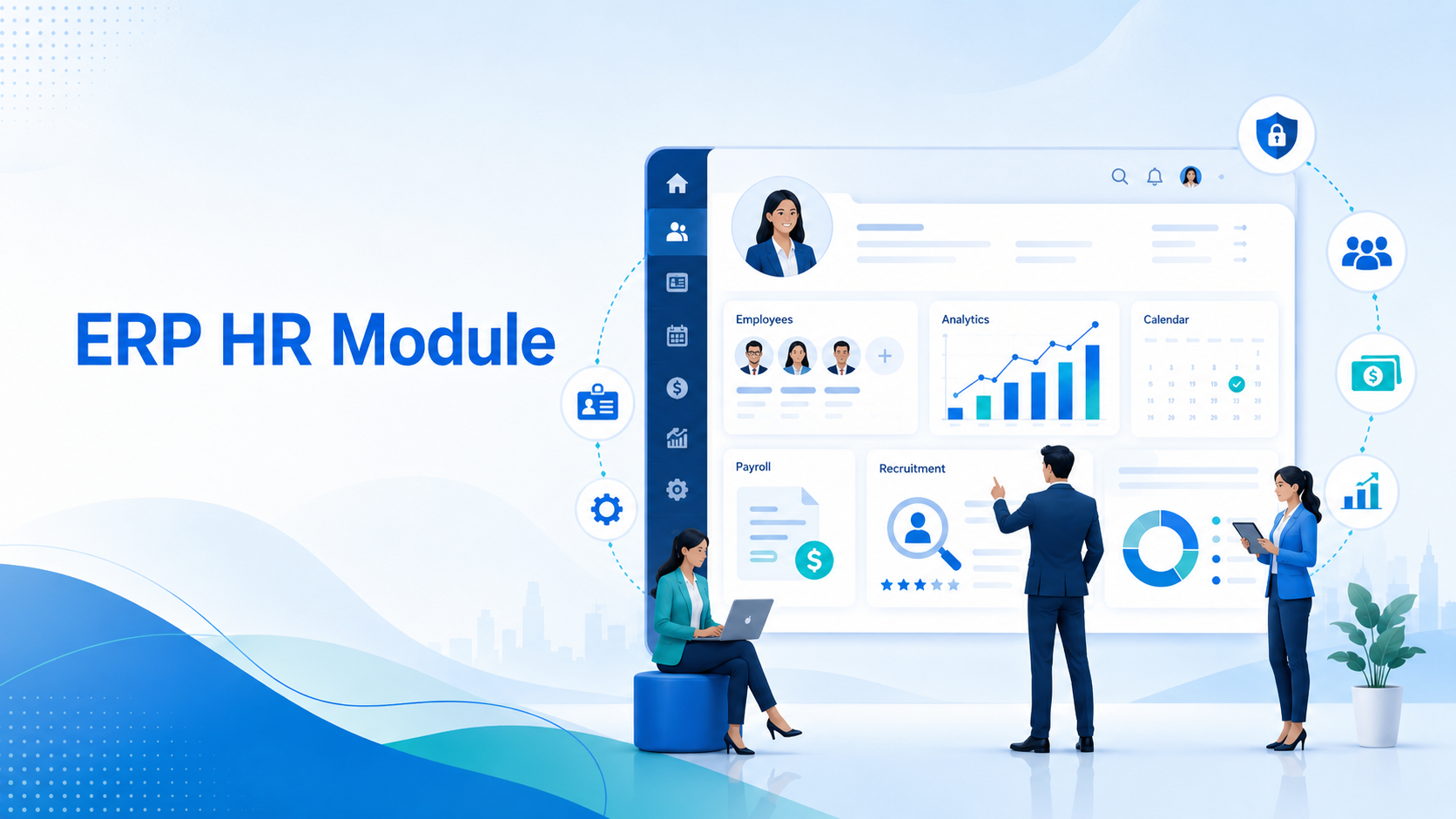
An ERP HR module is the part of an Enterprise Resource Planning system that handles everything related to people — employee records, payroll, attendance, recruitment, performance, training and compliance.
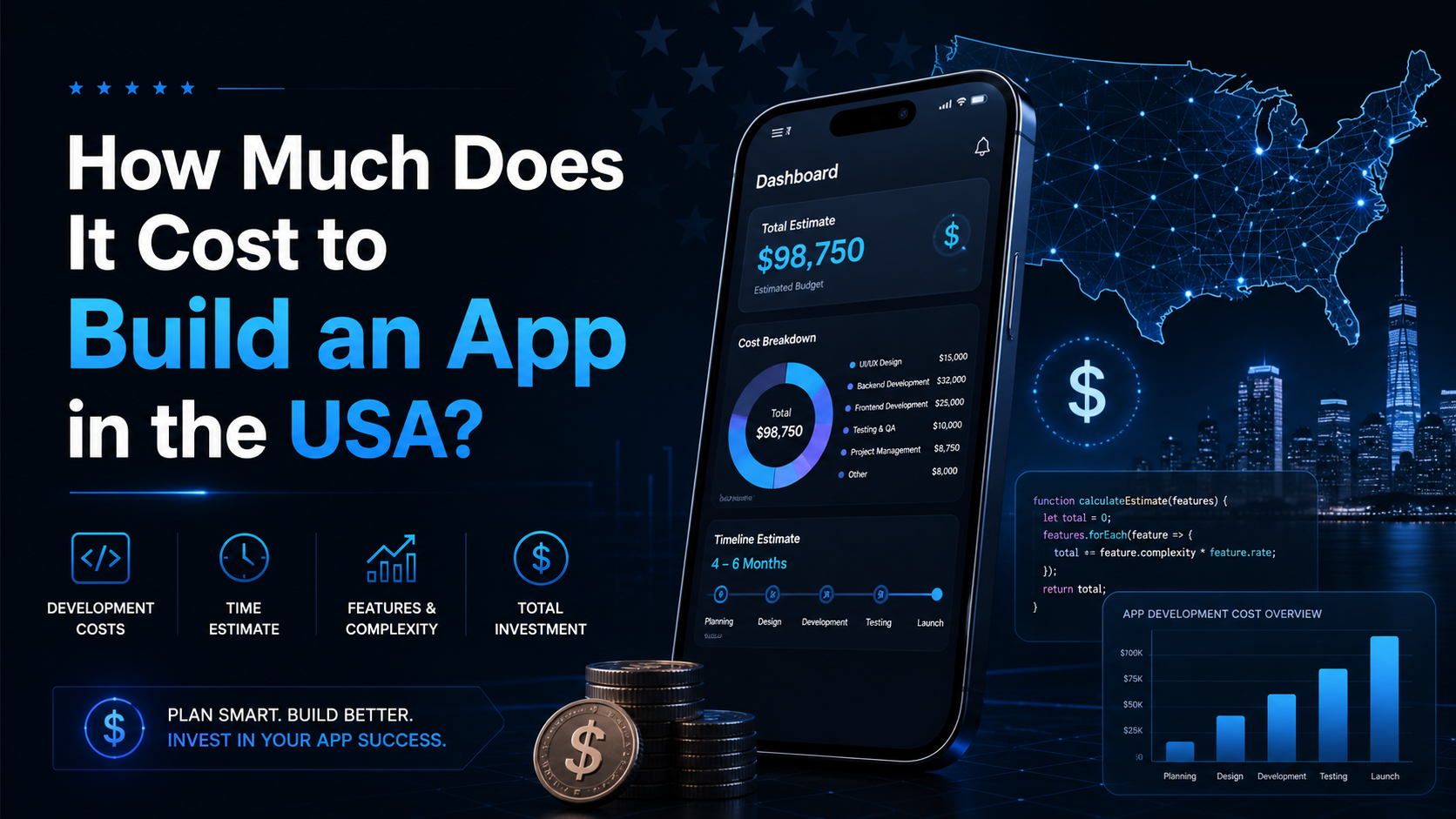
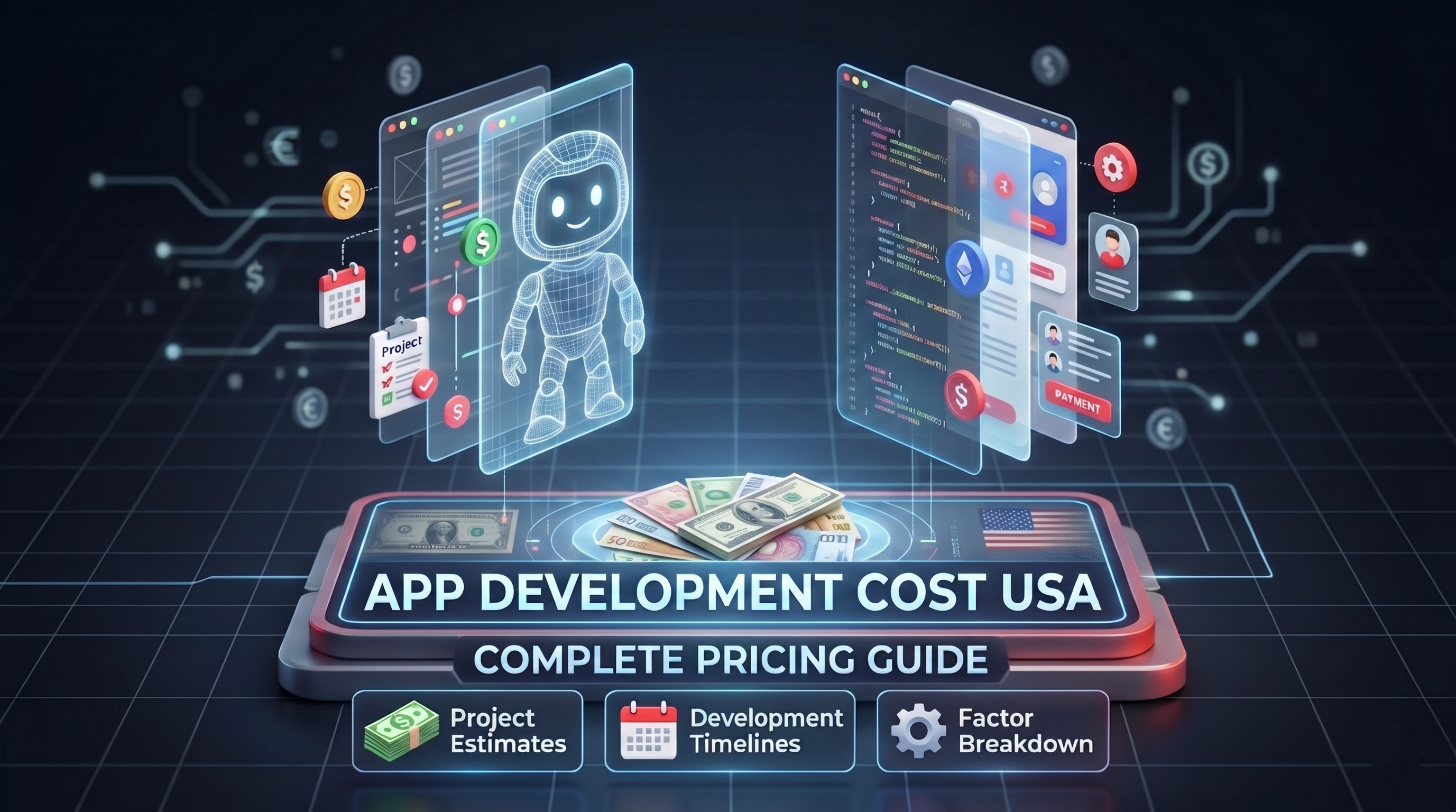
App development cost in the USA ranges from $5,000 for a lean MVP to $150,000 for a full-featured production app in 2026, when you partner with a hybrid US-led team.
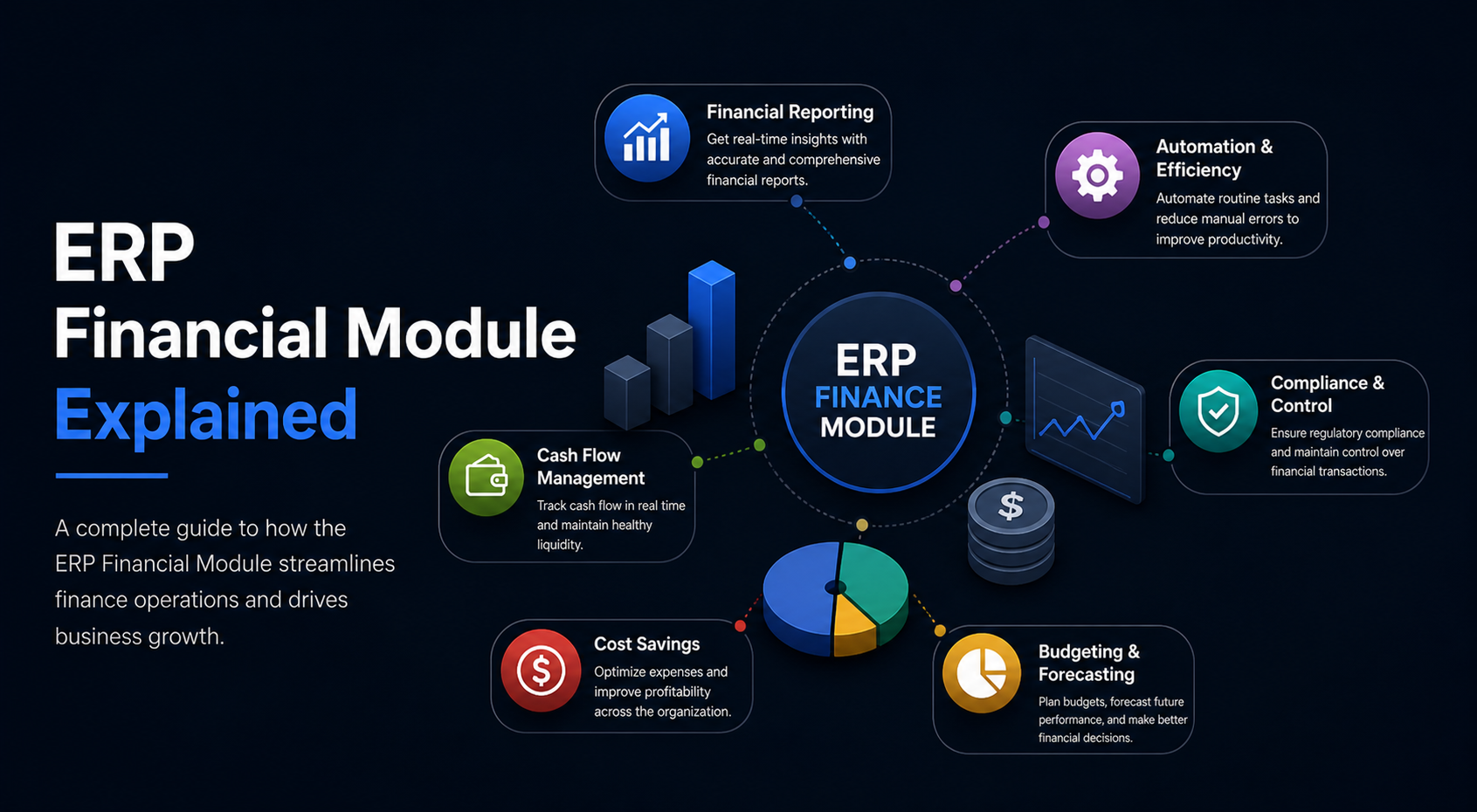
The finance module is the core of any ERP system. It's where all the money-related activity in a business gets recorded, tracked, and reported — general ledger, invoices, payments, assets, taxes, budgets, and the financial statements that come out the other end.
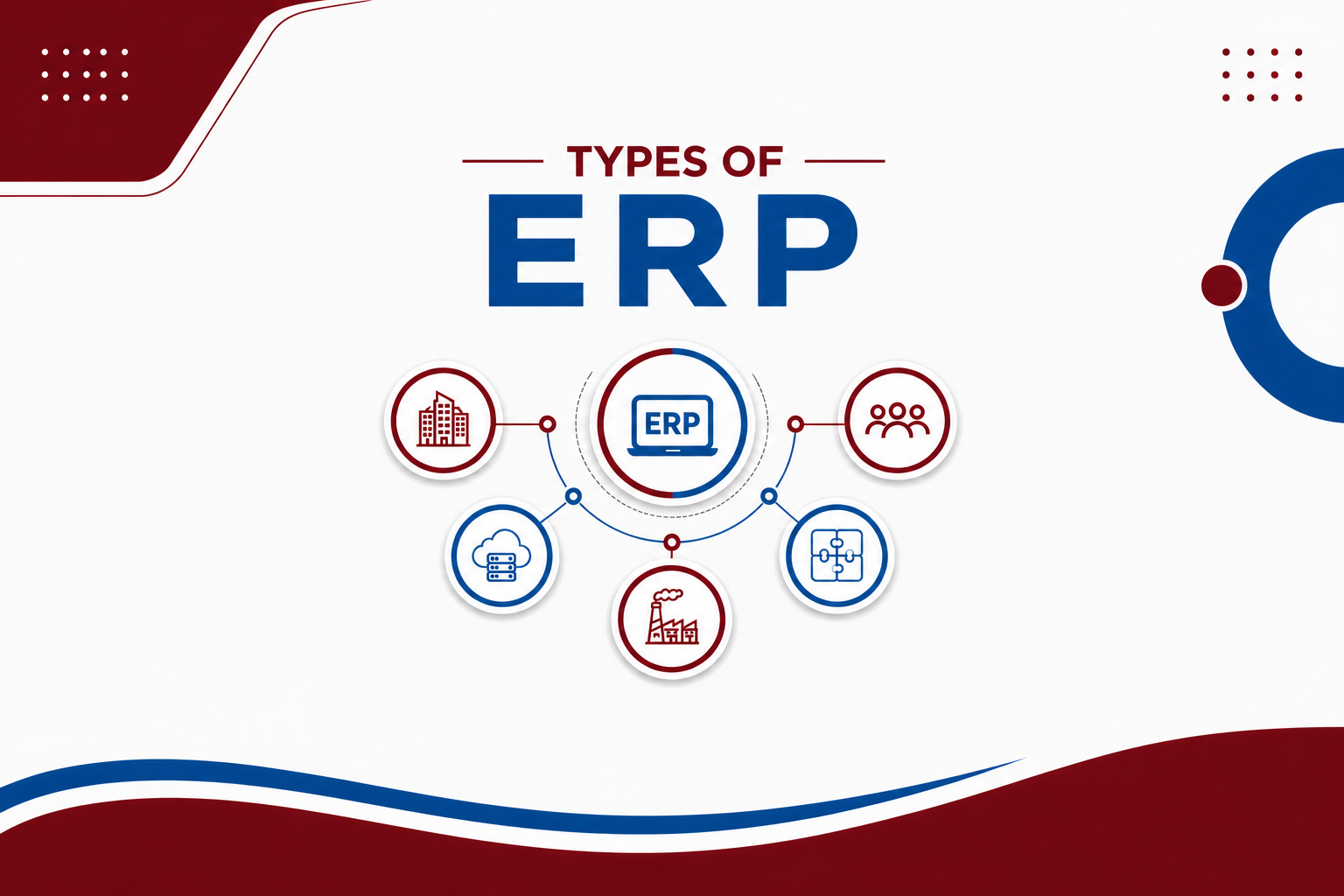
ERP isn't one-size-fits-all. Systems get sorted in a few different ways — by how they're deployed, what industry they're built for, and the size of company they're meant to serve.
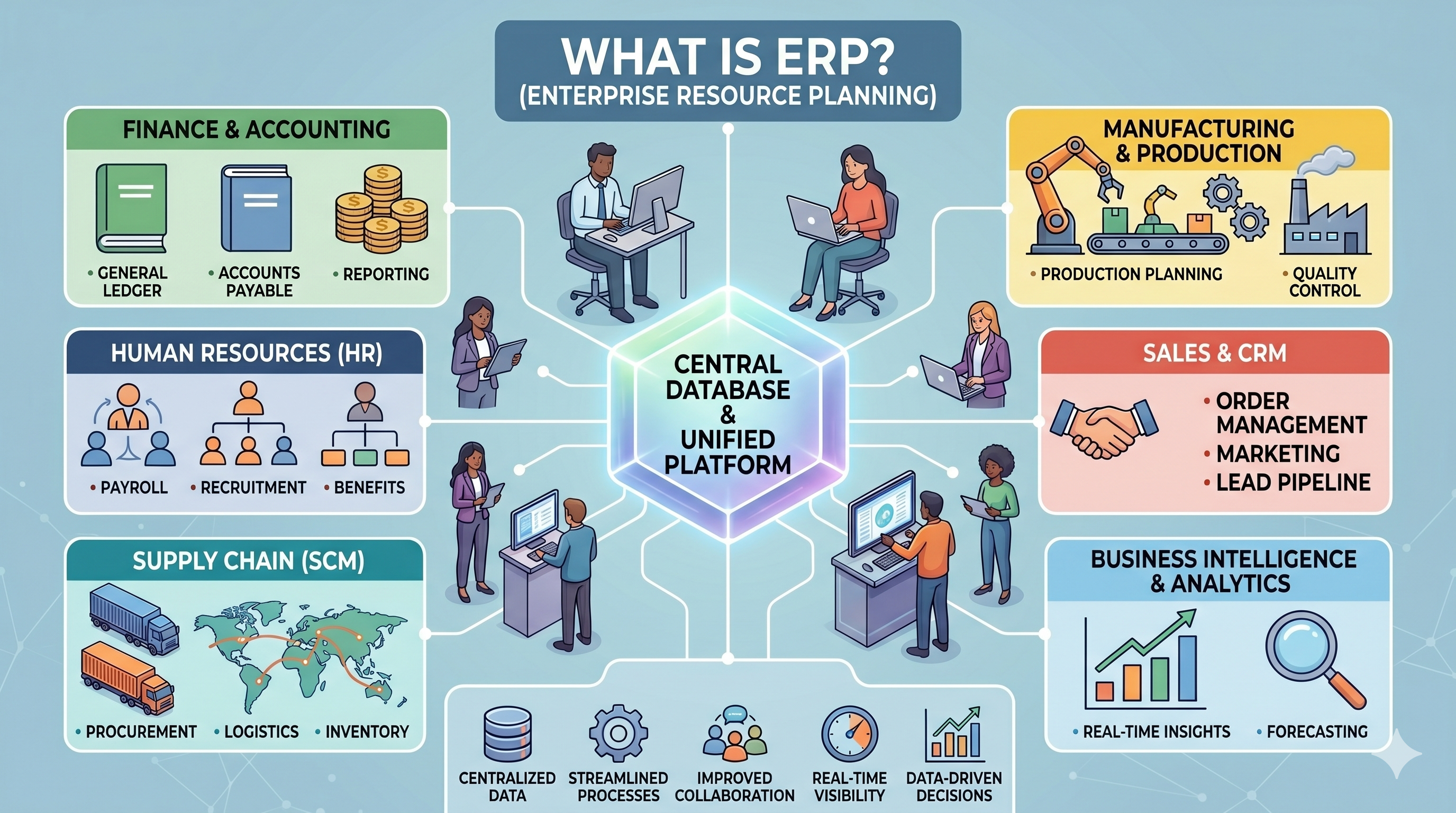
It's a software platform that pulls the major parts of a business — finance, HR, inventory, supply chain, manufacturing, procurement — into one connected system.
The wide gap exists because cost is driven by feature scope, platform choice, design depth, backend complexity, and your team's hourly rate. At Tecaudex, our blended rate of $30/hour lets US founders build the same quality of app for roughly a third of what traditional US agencies charge.